Low Fade vs. Mid Fade vs. High Fade: Which Is Right for You?
Low, mid, or high fade? Each creates a different look. Learn what sets them apart and how to choose a haircut that fits your hair, personal style, and everyday routine.
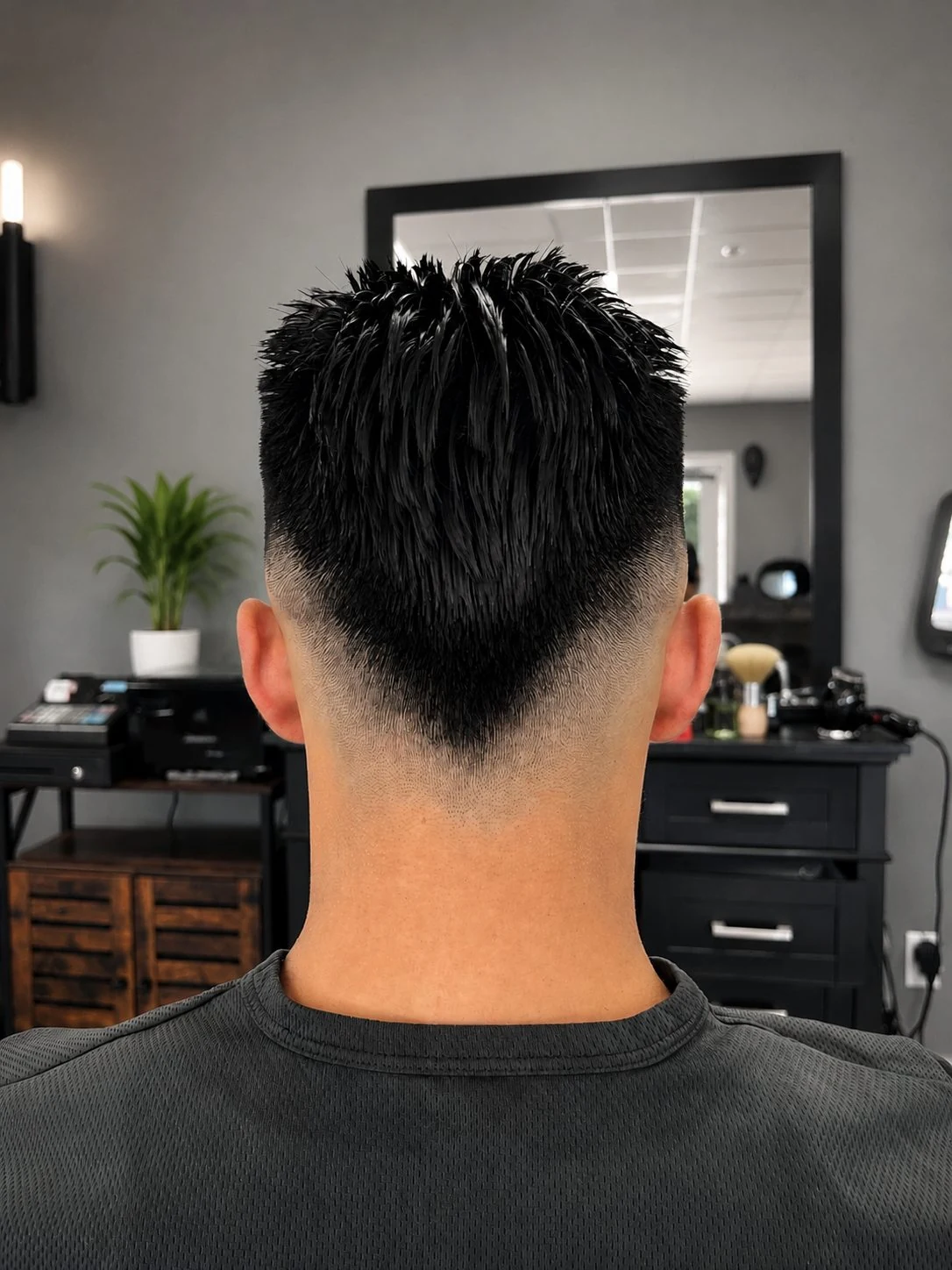
Low Fade vs. Mid Fade vs. High Fade: Which Is Right for You?
You've probably heard the terms low fade, mid fade, and high fade. Maybe you've even asked for one without knowing exactly what makes it different from the others.
The truth is, a few inches can completely change how a haircut looks.
A great fade isn't just about cutting the sides short. It's about where the transition begins, how naturally the hair blends, and how the finished cut works with your features and personal style.
Here's what you should know before your next haircut.
Low Fade: Subtle, Clean, and Timeless
A low fade starts just above the ears and follows the natural hairline toward the back of the head. The transition stays relatively low, leaving more fullness around the upper sides.
It's a great option if you want a fresh, polished look without making the fade the main focus of your haircut.
Who is it best for?
Men who prefer a classic, understated style or want something that works equally well in professional and casual settings.
Low fades pair particularly well with textured tops, side parts, and naturally wavy hair.
Mid Fade: The Best of Both Worlds
A mid fade starts around the temple area, creating a noticeable transition between the shorter sides and the hair on top.
It offers more definition than a low fade but doesn't create quite as much contrast as a high fade.
Who is it best for?
Men who want a modern, clean-cut appearance without going too bold.
One of the biggest advantages of a mid fade is its versatility. It works with short crops, longer textured styles, and a variety of hair types.
If you're trying a fade for the first time and aren't sure where to start, a mid fade is often worth considering.
High Fade: Sharp, Bold, and Modern
A high fade begins farther up the sides of the head, leaving a stronger contrast between the hair on top and the closely cut sides.
The result is a sharper, more defined appearance that draws attention to the hairstyle itself.
Who is it best for?
Men who enjoy a bold, structured look and prefer keeping the sides especially short.
High fades work well with crew cuts, textured crops, and hairstyles that benefit from a more dramatic silhouette.
Keep in mind that a high fade can also change how your head shape appears, so the placement and blending matter.
How Do You Know Which Fade Is Right for You?
There's no single fade that looks best on everyone.
Your hair texture, head shape, natural growth pattern, and even how much time you spend styling your hair can influence which cut works best.
A few things worth considering:
- Your everyday style: Do you prefer something subtle and classic or sharp and modern?
- Your hair texture: Straight, wavy, curly, and thick hair can all change how a fade looks.
- Maintenance: Short, sharply defined fades generally need more frequent touch-ups to maintain their original appearance.
- Your comfort level: If you're unsure about going too short, starting with a lower fade gives you room to explore.
And here's a simple tip: bring a reference photo.
You don't need to know the technical name of every haircut. Showing your barber what you like makes it easier to discuss the details and adjust the style to suit you.
A Great Fade Is All About the Details
Two people can ask for the exact same fade and walk away with completely different results.
That's because a quality haircut isn't about following a template. It's about understanding how the hair grows, where the fade should begin, and how everything comes together naturally.
At Fade Style Barber in Dana Point, California, we believe the best haircut is one that feels like you—just a little sharper.
Whether you're going for a subtle low fade, a balanced mid fade, or a bold high fade, the goal is simple: a clean, well-blended haircut that looks great and fits your lifestyle.
Not sure which fade to choose? That's what your barber is there for.